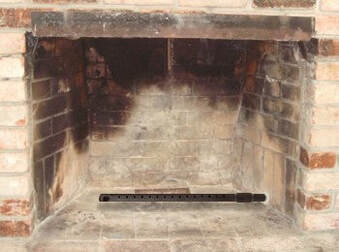
 So, you have a new home and are anxious to burn a wood fire. One problem, however, is this funny looking bar in the back of the fireplace. It is a gas line! You wouldn’t dare start a wood burning fire in there. The bar could catch fire and the house may explode, right? The answer is no.
Gas starters, also known as log bars, are a wonderful, convenient and safe way to start your wood fire. The biggest benefit to a gas starter is you will have less creosote and a healthier start to your fire. It works like this. Stack your wood on a grate just like you would normally. Keep it loose with plenty of air gaps. Place kindling below the logs. Now open the gas valve and strike a match to light the bar. Leave the gas valve open as long as necessary to get the logs burning then shut it off completely. No newspaper needed. Since you are not using material or fluid to light your fire, you are saving your chimney from harmful build up. Log bars can last for several years depending on the conditions inside the firebox. Eventually, the burner may begin to break down. Replacing it is cheap and easy. A new log bar is around $30 and can be screwed in just like a shower head. Don’t forget to check for leaks.
25 Comments
A common request is how to convert my wood fireplace or firepit to gas. While not as common, we do also have homeowners seeking to go from gas to wood. Both situations are possible for a cost less than what most homeowners budget for. Beginning with the firebox, we first determine if we are working with a masonry or metal box. Next is to determine the run for the gas line. We will test the gas pressure and consider the home systems and structure to design a plan for running the gas line. We always recommend a homeowner get at least two quotes for a gas run. You want to look at the price but also ask questions about what type of pipe will plumbed, where will you tap off from for the gas line, and what is the path you will take the line. The gas pressure is important. You want your fireplace to have enough pressure to have nice, vibrant flames. In general, fifteen feet of gas line should be around $400, and the total cost of the project with gas logs and burner can run as low as $800. Challenges to the installation include inserts and thick masonry walls. An insert is manufactured for a specific fuel and cannot be converted. In all cases, it must be removed. The cost of removal can be several hundred dollars depending on the complexity and size. If the insert has been stoned or tiled over, this would come down as well potentially creating additional costs for the homeowner. Thick masonry walls can often be overcome but may require specialized tools. Ultimately, the project begins with a visit to the home. We will look at the existing configuration, determine the gas line run and then begin to price out the project. In most cases, the family enjoys coming by the showroom to look at a variety of gas log options as they differ in heat output as well as shapes, colors and sizes. You can also choose your valve. The most common is a simple key valve but remotes and safety pilots are options as well. A gas conversion is one of our most-highest rated projects. You will love the convenience of gas! 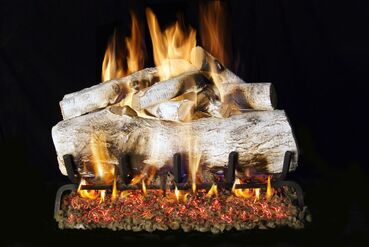 A common question from a homeowner is why does my gas firepit whistle. The answer is in the gas line. The installer has used common flex pipe to run the line. The problem is when the gas line is buried under poured concrete or a new finished paver patio. Until the line is replaced, the annoying whistle won’t go away. Outdoor gas is beautiful and convenient. Gas eliminates smoke, ash and wood storage. Speaking of wood, it is becoming harder and more expensive to source good quality wood to burn. Turn, click and enjoy with gas. A 15’ gas line without boring is less than $400 which is equal to three cords of wood. So, gas fits the budget, too! Spiders are a common enemy. Spiders will often build nests inside the pilot. These sticky, white ball nest can block the flow of gas making it difficult to light the pilot. A can a spray air is a great tool to dislodge and remove the nest quick blast of canned air in the pilot hole can dislodge the nest, although it is important to not freeze the pilot. A pipe cleaner can also do the trick. This problem is more common in gas grills. 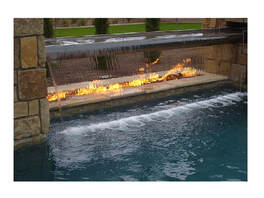 Another common complaint is poor gas pressure. If an installer taps into the grill line to install an outdoor gas fire pit this could create future problems. Gas pressure is measured by water column. If the installer is not trained properly, they may not pressure test a line. In poor pressure situations, the barbecue may go cold when you turn on the fire pit.
Have gas questions? Send us your questions through our Contact Us page. Do you have an outdoor wood fireplace or firepit? We see a lot of families foregoing wood grates especially in firepits. In most cases, the homeowner is under the assumption that an expensive stainless-steel wood grate is the only option. At O’Malia’s Living, we sell stainless steel wood grates, but we recommend good quality thick bar stock steel. Good quality stainless steel is costly, so manufacturers have been sourcing cheaper stainless to keep costs down. The net result are stainless outdoor wood grates that will rust and breakdown in a matter of a year or two. 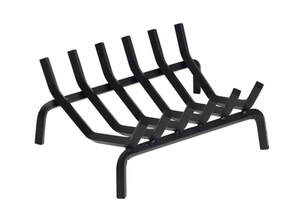 We have been taught for years that stainless steel is the go-to metal for outdoors but with cheaper versions entering the marketplace, the thought process needs to change. Good quality thick bar stock steel can last longer and is cheaper. At O’Malia’s Living, we encourage our customers to consider bar stock steel grates for indoors and outdoors. Cleaned and stored seasonally indoors in the winter, these grates will not last forever but will deliver a much better experience.
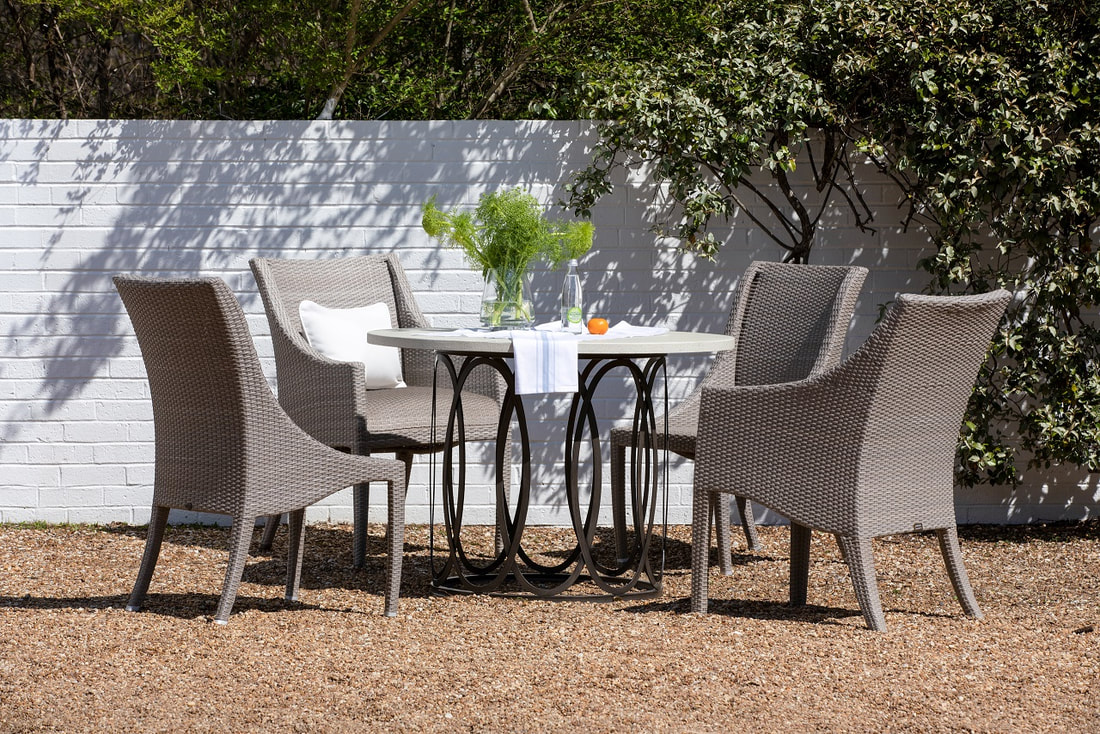
Above all, a wood grate is necessary to generate proper air flow for combustion. If you are burning without a grate, you may have a difficult time lighting the fire and you are burning less efficient. The grate allows air to circulate around the logs giving you a better flame, more burn time and a hotter burn experience. O'Malia's Living signed an agreement to become an exclusive showroom for Summer Classics. We encourage you to visit our showroom to feel the fit and finish of these wonderful outdoor dining and lounge collections.
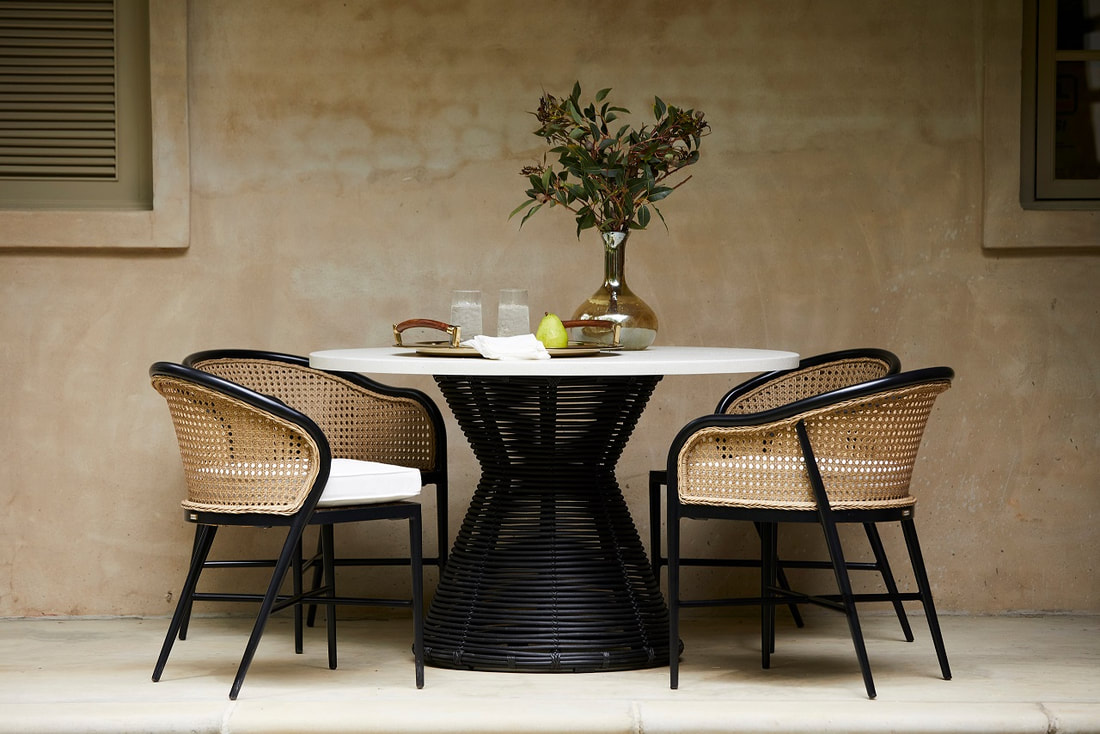
The Havana collection pictured above is one of our favorites. Summer Classics is known for style, durability and quality. It is a favorite of the design community. Choose from a large variety of colors and patterns to craft the unique, custom piece for your home.
The Athena is a popular collection shown above. As a premier Summer Classics Outdoor outlet, we will match all online prices or in same cases beat the online competition. Stop in to learn more about Summer Classics and the many other excellent manufacturers represented at O'Malia's Outdoor Living.
Tis the season to begin thinking about your patio, deck, pool and backyard. What plans do you have to create outdoor spaces and rooms for your home? Whether your budget is $20,000 or $200,000, the outdoor landscape may need furnishings, grills and more. O'Malia's Living is a source for high-quality outdoor products. We specialize in furnishings with a long-warranty and proven durability.  The outdoor living category is huge. Today, you can buy outdoor furniture from Kroger just as well as you can buy from the local hardware store or a specialty retailer like O'Malia's. The difference is quality and the question you need to ask is how long will you keep the furniture and how much will you use it. If the answer is more than 5 years, you should come in and explore what we have to offer. In the long run, it will save you money.
So your interested in updating or replacing your gas logs? O'Malia's stocks a wide variety of vented and vent-free gas logs in a variety of sizes. Measuring your firebox is a simple process made easier with a printable chart, see attached. Our sales staff will use your four measurements to help you find the perfect set for your firebox. No need to be exact. Just simply round to the next quarter of an inch and pictures are welcome but not necessary. O'Malia's will help you with everything else. As always, if you have questions us the contact us page and send us a message. 
Gas is a versatile and safe fuel for a variety of products include lights, torches, firepits, grills and more. O'Malia's Living is one of the largest installers of gas lines in central Indiana. Our technicians are trained to properly install gas lines to anything in your home or backyard. 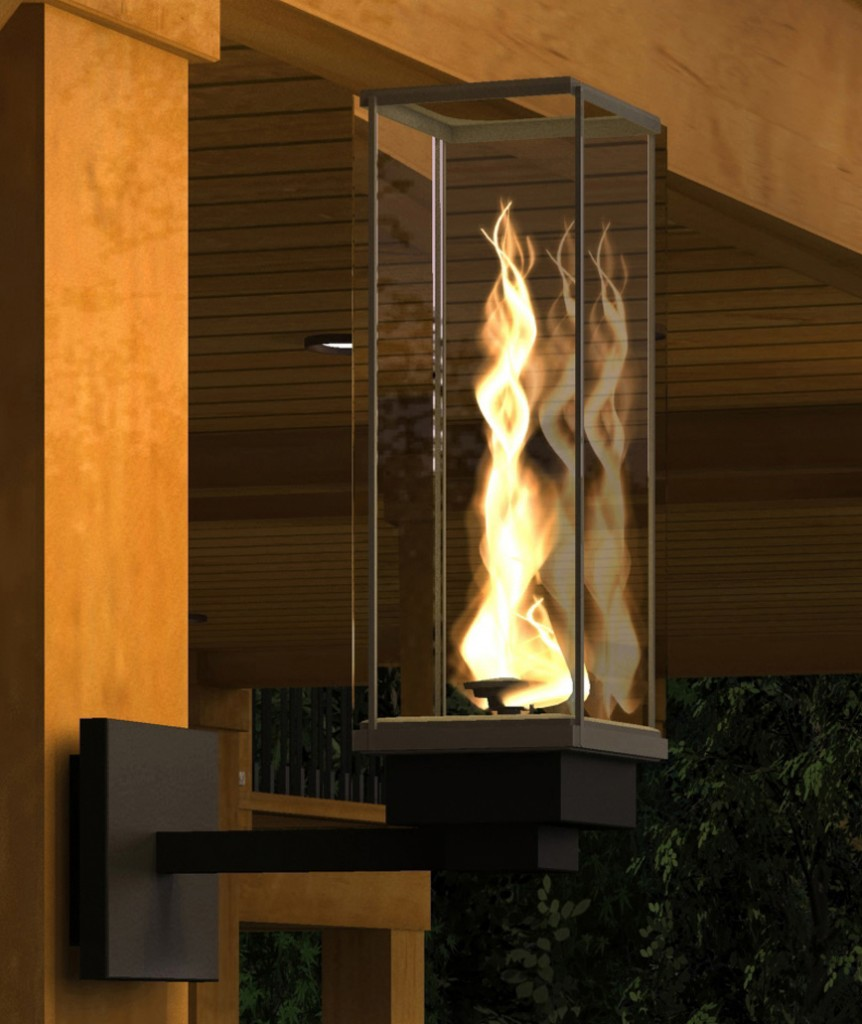 Gas is probably cheaper than what you think. As a general rule, 15 feet of gas line is approximately $400 to install. In most cases, this should be hard piped with a tracer line. In numerous instances, we have been called to job where flex is used in long lines created a whistle or hum. This can be a costly repair where the line has been buried under pavers or poured concrete. We always encourage homeowners to get at least two or three quotes when estimating the cost for a gas line and ask the key questions if the technicians will be using a trencher or hand digging. Trenchers can tear up irrigation lines at your cost. Also ask, how long have you been in business and check references online. Done right, you will save money with natural gas and find distinct beauty and charm. 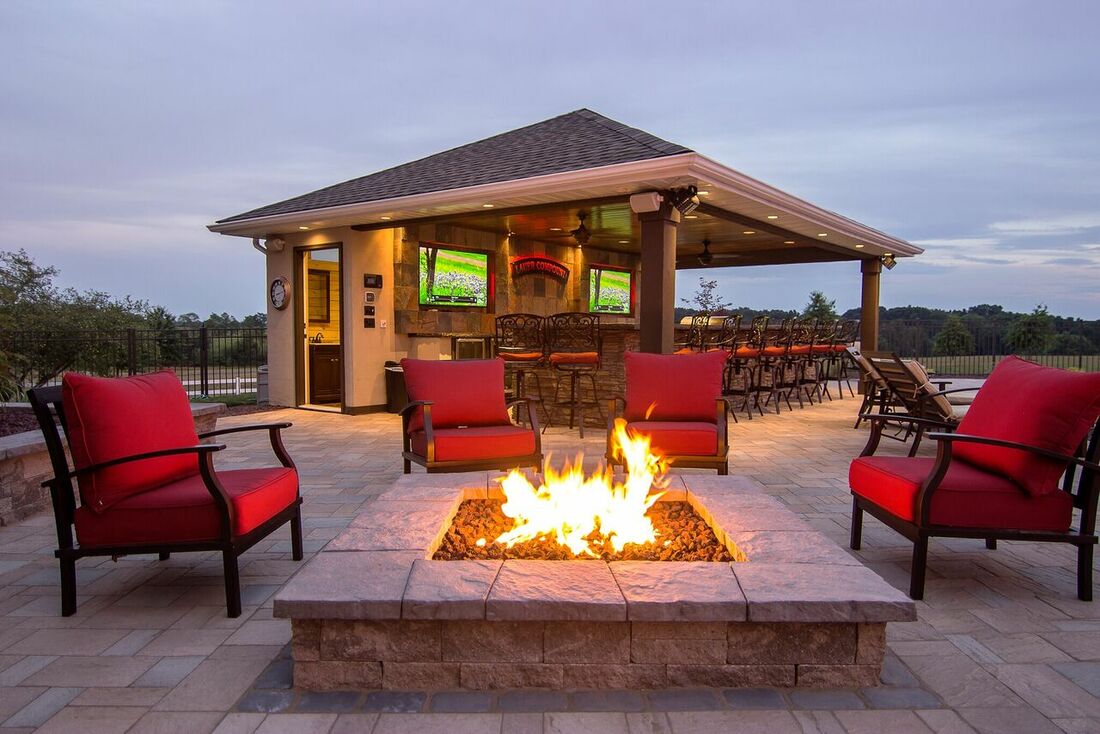 Converting your gas grill from propane to natural gas is common request from homeowners. Our first step is to determine if a natural gas conversion kit is readily available for the type of grill your own. The rest is easy. Budget $500 for the project if the gas line is within 15' of the gas grill.
After time, most homeowners begin to recognize the sizable cost of trading tanks plus the inconvenience of running out of gas before or during a barbecue. A permanent gas line will lower your operating costs and eliminate the need to run to the gas station or hardware store to replace your tank. O'Malia's Living provides free in-home gas line estimates and consultations so you will know the costs up front. We also offer gas grill cleaning and service throughout central Indiana. Happy BBQ Season! One of the most common fireplace questions is about the pilot light. Gas appliances need pilot lights to operate correctly. The pilot tube supplies a small amount of gas to the pilot orifice, creating a small flame to heat the tip of the thermocouple. If the orifice is clogged, the flame can't burn and the thermocouple can't send a message to the gas supply valve. If no message is received by the gas supply valve, the gas supply valve shuts off the gas supply to your fireplace. Cleaning your gas pilot tube is the answer. All you need is canned air and our reference sheet. If you are unable to clear out any debris or cleaning isn't the answer, you may need a new thermocouple. Doityourself.com has a step-by-step guide to replacing your fireplace thermocouple. https://www.doityourself.com/stry/gas-fireplace-thermocouple-replacement-tips
|
AuthorFrom the O'Malia's Living Family, we share our thoughts and how to make your experience even better! Archives
May 2024
Categories |
||||||||


 RSS Feed
Location |
|
O'Malia's Living is a retail sales and service business serving central Indiana as an exclusive provider of luxury fireplaces, patio furniture, grills, outdoor fire, gas appliances and gifts.
O'Malia's Living serves all of central Indiana to include Carmel, Westfield, Zionsville, Fishers, Noblesville, Indianapolis, Geist, Sheridan, Cicero, Fortville, Geist, Pendleton, Anderson, Muncie, Kokomo, Tipton, New Castle, Greenfield, McCordsville, Lawrence, Meridian Hills, Broad Ripple, Wynnedale, Crooked Creek, Catham-Arch, Eagle Creek, Brownsburg, Pittsboro, Avon, Plainfield, Whitestown, Lebanon, Lafayette, Greencastle, Heritage Lake, Mooresville, Greenwood, Bargersville, Bloomington, Lake Monroe, Morgantown, Princes Lakes, Sweetwater, Columbus, Franklin, Shelbyville, Heritage Lake.
Copyright 2024, O'Malia's Living Ltd. All Rights Reserved